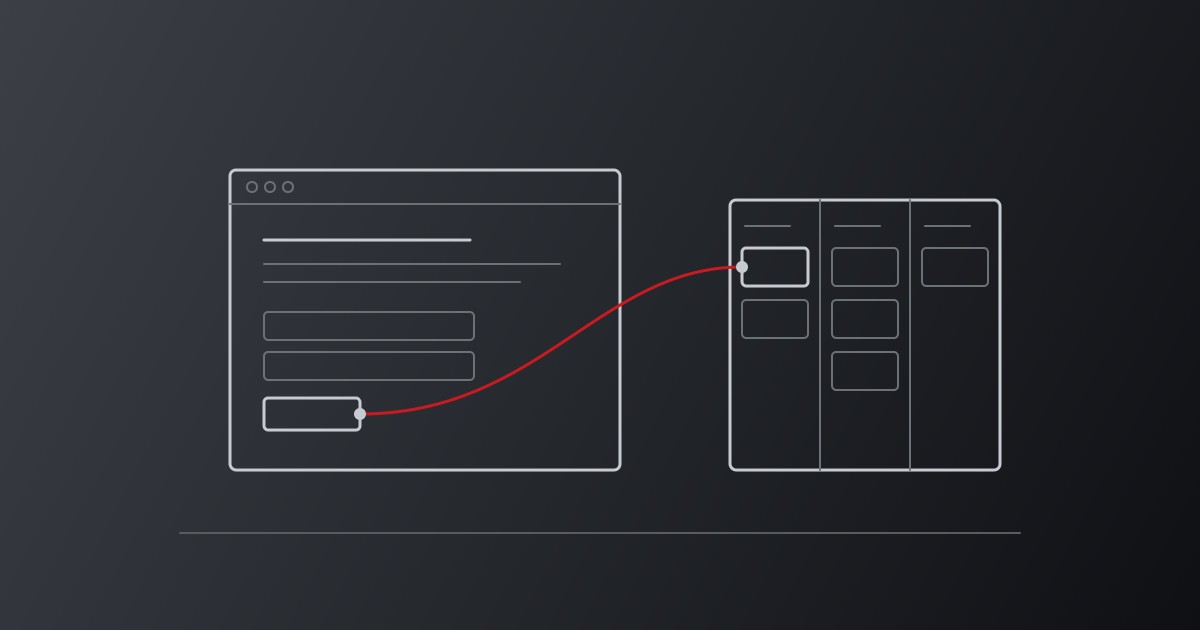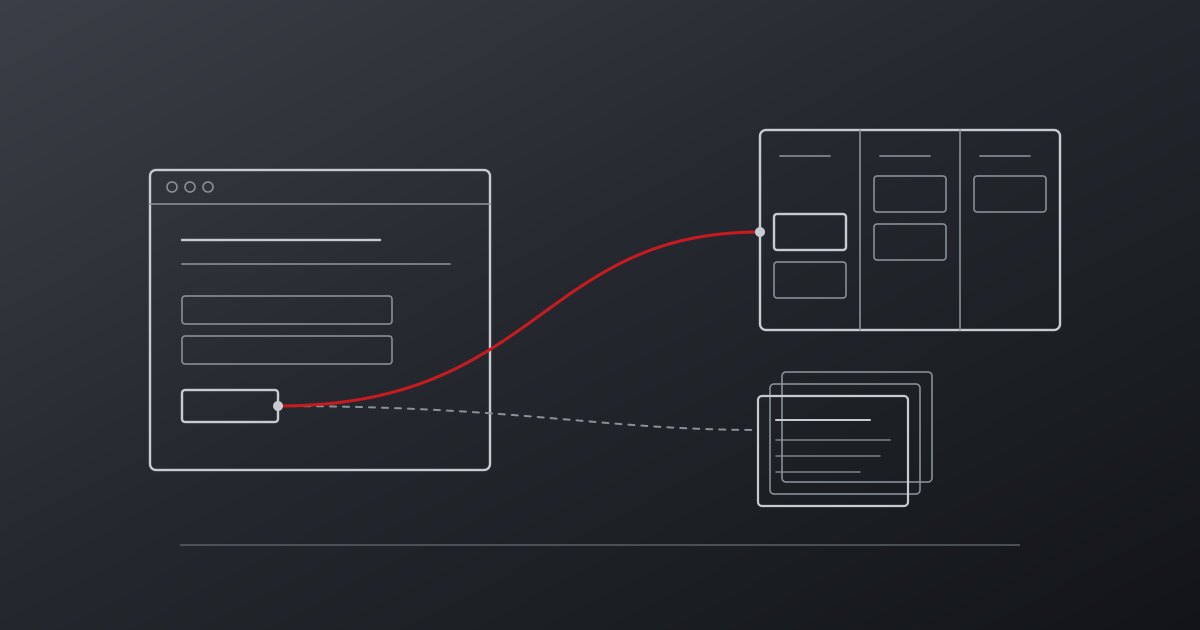
Build on Odoo if the website has to create records in your business system: leads in the CRM, orders against live stock, customer accounts. Build on WordPress if the website mainly publishes content and does not need to write into anything else. For most Australian SMEs, the deciding question is what the website has to connect to.
This page covers what decides the platform, when each one is the better choice, how they compare, how a WordPress site can still send enquiries into Odoo, and what neither platform fixes.
What decides whether a website should be on Odoo or WordPress?
Where the information goes after a visitor fills something in.
If an enquiry form only needs to send an email, either platform does the job. If that enquiry should become a lead in your CRM, or a web order should reserve stock and raise an invoice, the website is part of your business system. In that case it is simpler to run the website inside that system than to connect two systems together.
These questions settle it for most businesses:
- Do you already run Odoo, or plan to? If yes, Odoo is usually the default, because the website, CRM and stock share one database.
- Does the site take orders or bookings that depend on stock, pricing or availability? If yes, those records need to live where the stock and pricing live.
- Is the site mainly articles, landing pages and campaigns? If yes, and nothing needs to flow back into a business system, WordPress is usually the simpler choice.
When is Odoo the better choice for a business website?
When the website needs to read from or write to your operations.
- Enquiries. A contact form on an Odoo website creates a lead in Odoo CRM, assigned to a salesperson, with nobody copying details out of an inbox.
- eCommerce. Product pages show stock from the same inventory the warehouse uses. A web order becomes a sales order, then a delivery and an invoice, in the one system.
- Customer accounts. Customers can log in to see their quotes, orders and invoices, because those records already sit in Odoo.
- Bookings and events. Appointments and event registrations land in the same calendar and contact records the team works from.
Cost is also simpler if you already pay for Odoo. The Website app is included in Odoo's Standard and Custom plans, so the site does not add a separate software subscription. A business that only wants a website can run Odoo's Website app on its own under the One App Free plan, hosted on Odoo Online.
Odoo is less suited to sites that depend on a large range of third-party add-ons, or on heavily customised page layouts. Its theme and add-on range is much smaller than WordPress's.
When is WordPress the better choice for a business website?
When the website stands on its own and its job is publishing.
- Content-led marketing. A business that publishes articles, guides and landing pages every week gets more control over posts, categories and layouts in WordPress.
- A specific feature. WordPress has a plugin for most website features, from membership areas to booking tools. If the site needs one of those and nothing has to flow into a business system, a plugin is usually faster than a custom build.
- No business system to feed. A professional services firm whose enquiries go to one inbox gains little from an ERP-based website.
- Finding a developer. There are far more WordPress developers than Odoo website developers, in Australia and offshore.
The trade-off is upkeep. WordPress itself, its theme and every plugin need regular updates, and each plugin is another piece of code someone has to keep secure. Hosting, backups and security sit with whoever looks after the site. On Odoo Online, hosting, backups and upgrades are part of the Odoo subscription.
How do Odoo and WordPress compare for an SME website?
Odoo is stronger where the site connects to sales, stock and customers. WordPress is stronger on content tools, add-ons and developer choice.
| Area | Odoo Website | WordPress |
|---|---|---|
| Website enquiries | Create a lead in Odoo CRM directly | Sent by email, or through a connector to a CRM |
| Online store | Odoo eCommerce, on the same stock, pricing and accounting as the business | WooCommerce plugin, with stock and accounting kept in another system or synced to it |
| Customer logins | Quotes, orders and invoices from Odoo | Needs a plugin, and a connector for business records |
| Blog and content tools | Covers posts, tags, metadata and structured data | More control over content types, layouts and editorial workflow |
| Themes and add-ons | Smaller range, focused on business functions | Very large range of themes and plugins |
| Hosting and updates | Included on Odoo Online | Arranged separately, with core, theme and plugin updates to manage |
| Developers available | Fewer, often the same people who configure Odoo | Many, at most price points |
| Software cost | Included in Odoo Standard and Custom plans, or free on its own under One App Free | Core software free; hosting, premium themes and plugins usually paid |
Odoo plan details are from the Odoo pricing page, checked November 2026.
Can a WordPress website send enquiries into Odoo?
Yes, but how depends on your Odoo plan.
The simple route is email. Odoo CRM can create a lead from an email sent to a sales team's address, so a WordPress form can send its enquiries there. It works on any Odoo plan. The lead arrives with what the email contains, so form fields need to be set up to read cleanly.
A direct connection takes more. A WordPress plugin or integration tool that writes into Odoo either calls Odoo's external API or sends data to a custom Odoo module built to receive it. Neither is available on the Standard plan. External API access is part of the Custom plan, and custom modules need Odoo.sh or on-premise hosting, which also come with Custom. A business on Standard that wants WordPress orders or customer records pushed straight into Odoo will usually need to move to Custom, or use the email route for enquiries only.
Orders are where this gets expensive. Keeping WooCommerce stock, prices and customers in step with Odoo means a connector, and someone has to own it when the two disagree. If the site sells from Odoo stock, building the shop in Odoo removes that connector altogether.
What does neither platform fix?
Content, and how the site is built.
Both platforms can produce a fast, well-structured site. Both can produce a slow one. Page speed comes from image sizes, page weight and how many add-ons are loaded. Search visibility comes from page titles, descriptions, headings that answer real questions, and structured data. These are decisions made during the build, on either platform.
Neither platform will make a business rank in Google or appear in ChatGPT answers on its own. That depends on what the site says, how often it is updated and which other sites link to it. For a worked example of what build decisions do on an Odoo site, see Is Odoo good for a business website? What our own site scores.
How we work
Ooda Consulting is based in Sydney and builds websites for Australian SMEs on Odoo and WordPress. We recommend the platform after looking at what the site has to connect to, and we say so when WordPress is the better fit. Pages, features and connections are agreed before work starts, then the build runs at a fixed fee.
Ooda's Odoo developers hold Odoo certification, current to version 19.
See website design and development for how a build runs, or website packages for what each package includes. To check your current site first, run the free AI website health check.
Frequently asked questions
Is Odoo good for a business website?
Yes, for a business that runs Odoo or plans to. An Odoo website creates CRM leads, takes orders against live stock and gives customers access to their invoices, all in the one system. For a site that only publishes content, WordPress usually offers more content tools and add-ons.
Is WordPress better than Odoo for SEO?
Not by default. Search performance on either platform comes from page titles, descriptions, headings, structured data and page speed, all set during the build. WordPress offers more SEO plugins and finer content controls. Odoo Website covers metadata, sitemaps and structured data without plugins.
Can I connect a WordPress website to Odoo?
Yes. Enquiries from a WordPress form can be emailed to an Odoo CRM address, which creates a lead on any Odoo plan. A direct connection that writes orders or customer records into Odoo needs Odoo's external API or a custom module. Both sit outside the Standard plan.
Is the Odoo website builder free?
Yes, in two cases. The Website app is included in Odoo's Standard and Custom plans, so existing Odoo customers pay nothing extra for the website software. A business that only needs a website can run the Website app on its own under Odoo's One App Free plan, hosted on Odoo Online.
Should a small business with no ERP build its website on Odoo?
Usually not, unless an ERP is planned. A business with nothing to connect to gets most of its website value from content, and WordPress gives more control over that. If the business expects to move onto Odoo soon, building the website there first avoids rebuilding it later.