Odoo is the right ERP for most Australian SMEs running between 5 and 50 users who have outgrown a mix of accounting software, spreadsheets and a separate CRM. It is the wrong choice if you only need accounting, or if you need deep industry compliance functionality out of the box with no configuration budget. This page sets out both cases so you can rule it in or out before you spend money on scoping.
What Odoo is
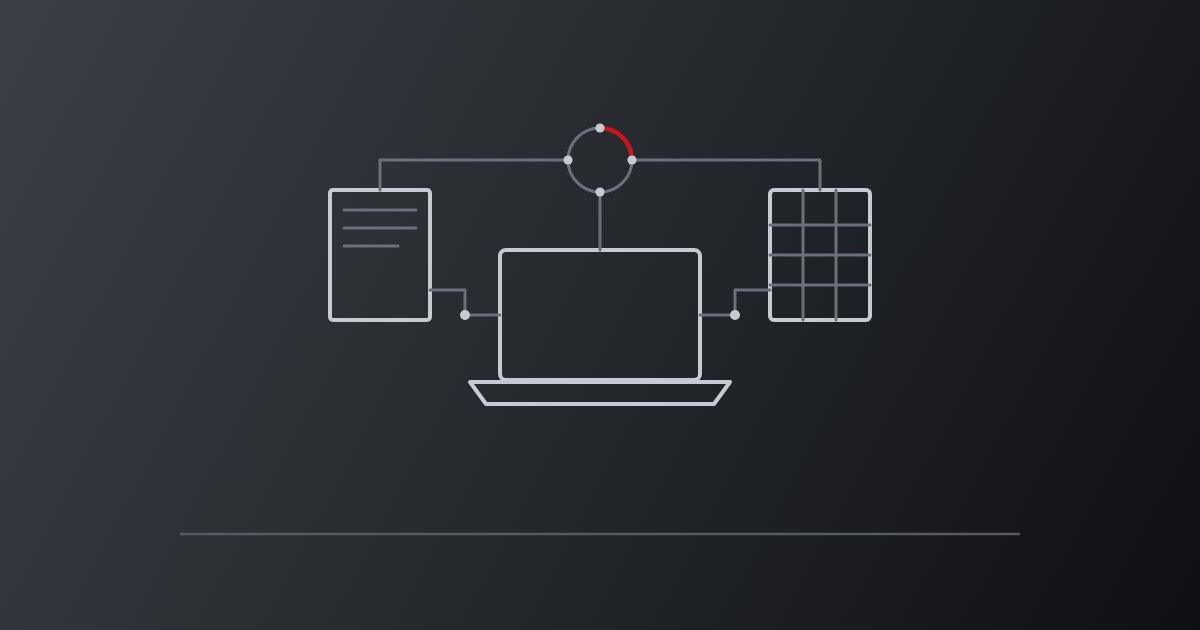
Odoo is an open-source ERP platform with around 40 core applications covering accounting, CRM, sales, inventory, manufacturing, project, timesheets, HR, point of sale and eCommerce. The applications share one database, so a sale entered in CRM flows through to the invoice, the stock movement and the general ledger without re-keying.
It comes in two editions. Odoo Community is free and open source but excludes accounting automation, studio customisation and most of the advanced apps. Odoo Enterprise is licensed per user per month and is what almost every Australian business ends up on. Community is a viable starting point only if you have in-house development capability.
Where Odoo fits well
You are running three or more disconnected systems. The common Australian SME pattern is Xero for accounting, a spreadsheet for inventory, a separate CRM, and a fourth system for job or project tracking. Odoo's value is removing the re-keying between them, not being better at any one of them individually.
You manufacture or assemble. Odoo's MRP handles bills of materials, work orders, routing and shop floor control natively. Getting equivalent function out of Xero or MYOB requires a bolt-on that then needs its own integration.
You hold and move stock. Multi-warehouse, multi-location, serial and lot tracking, landed costs and barcode picking are all in the base product. For wholesalers and importers this is usually the deciding factor.
You bill for time and materials. Timesheets to project to invoice runs in one chain, including margin visibility per project.
You need multi-entity or multi-currency. Consolidated reporting across Australian and New Zealand entities, with AUD and NZD, is standard function rather than a custom build.
Where Odoo is the wrong answer
This is the section most Odoo content leaves out.
You only need accounting. If your requirement is invoices, bank feeds, BAS and payroll and nothing else, Xero costs less and does the job. Implementing Odoo for accounting alone is an expensive way to get a worse outcome.
You are under 5 users with simple operations. The implementation cost does not amortise. Revisit at growth.
You need certified industry compliance out of the box. Odoo is configured, not pre-built. If you need NDIS claiming, aged care funding rules or medical device traceability working on day one with no configuration budget, a vertical product may get you there faster. This is a budget question rather than a capability question. We have built all three, but they are configuration projects, not installs.
You have no internal owner. Odoo implementations fail on the client side more often than the technical side. If nobody internally has time allocated to make decisions about process, the project stalls regardless of who implements it.
You want zero change. Odoo will not replicate an existing broken process. If the requirement is "make it work exactly like our current system", the project is a customisation exercise and the cost profile changes completely.
What it costs in Australia
Published Australian market benchmarks for Odoo implementation:
- Small, around 5 users: $15,000 to $25,000 initial
- Mid-sized, around 15 users: $40,000 to $70,000 initial
- Large, 30+ users: $100,000 to $250,000+ initial
- Data migration: $2,000 to $10,000
- Training: $1,000 to $5,000
- Integrations: $2,000 to $15,000 each
- Ongoing support retainers: $500 to $2,000 per month
Odoo Enterprise licensing sits on top of implementation and is charged per user per month.
Figures compiled from published Australian partner pricing, August 2026.
What moves a project between bands is the number of applications in scope, how much data comes across from the old system, and how many integrations to external systems are required. Headcount matters less than most buyers expect.
How we assess it
Ooda Consulting takes its name from the OODA Loop, Observe, Orient, Decide, Act. The framework is how we run engagements. Odoo is the ERP platform we implement. The two are unrelated except that we apply the first to the second.
In practice, assessing fit means looking at what your current systems cost you in duplicated work, where the data breaks between them, and what you would need Odoo to do that it does not do without customisation. That produces a yes or a no, and if it is a no we will tell you.
We are based in Sydney at Level 6/201 Kent St and work with SMEs across Australia and New Zealand, on-site and remotely. Ooda's Odoo developers hold Odoo certification, current to version 19.
For the full scope of what an implementation involves, see Odoo ERP Implementation. If you are weighing the move off your current accounting package, Outgrowing Xero or MYOB? covers the five signs and when staying put is the better call.
Frequently asked questions
Is Odoo good for small business in Australia?
Yes, for small businesses running multiple disconnected systems. Odoo suits Australian SMEs from roughly 5 users upward who need accounting, inventory, CRM and operations in one database. Below 5 users with simple accounting-only requirements, Xero is a better fit.
Can Odoo replace Xero or MYOB?
Yes. Odoo's accounting module handles invoicing, bank feeds, BAS and GST reporting to ATO requirements. Replacing Xero with Odoo only makes sense if you are also consolidating inventory, CRM or operations into the same system.
What is the difference between Odoo Community and Odoo Enterprise?
Community is free and open source but excludes accounting automation, Studio and most advanced applications. Enterprise is licensed per user per month and includes them. Most Australian businesses need Enterprise.
How much does an Odoo implementation cost in Australia?
Published Australian benchmarks run $15,000 to $25,000 for around 5 users and $40,000 to $70,000 for around 15 users, before Enterprise licensing. Application count, data migration volume and integrations move the figure more than headcount does.